Modern Orthodontic Treatment: Braces, Clear Aligners, and Beyond

Posted on Tags

Orthodontics has come a long way from the days of bulky metal bands wrapped around each tooth. In today's world, patients can choose from a variety of options that cater to their lifestyle and aesthetic preferences. From traditional metal braces to the virtually invisible clear aligners, modern orthodontic treatments offer convenience, comfort, and effective results.

Correcting Misalignments with Metal Braces

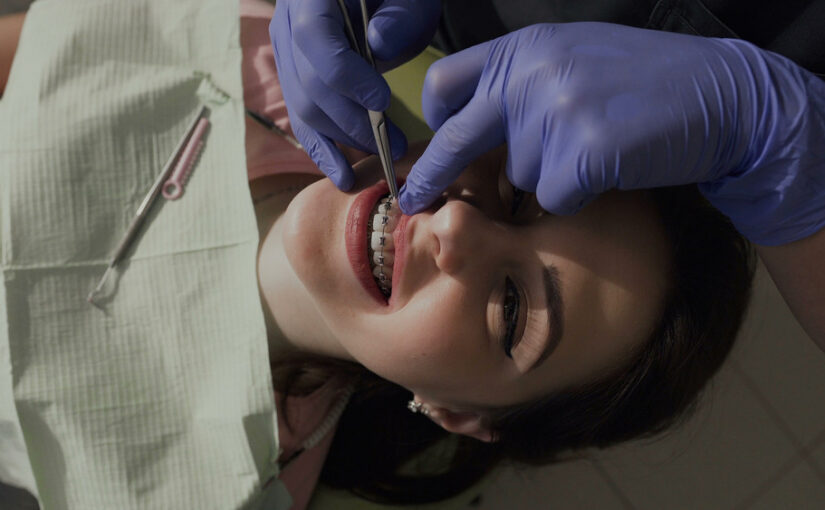
Traditional metal braces are still a popular option for many patients who need comprehensive adjustments. These braces are highly effective for correcting complex dental issues such as severe misalignment or bite problems. With advancements in technology, metal braces have become more comfortable and less intrusive, thanks to smaller brackets and customizable options like colored bands. Despite their noticeable appearance, metal braces remain a tried and true method for achieving significant results from an orthodontic treatment.

Aligning Teeth with Clear Trays

Clear aligners, such as Invisalign, have revolutionized the field of orthodontics with their discreet and flexible approach. These clear plastic trays are custom-fitted to gradually shift teeth into alignment over time. A significant advantage of clear aligner systems is that they are removable, allowing patients to maintain their oral hygiene with ease. However, it's important to note that, according to ScienceDirect, Invisalign treatment required an average of 2.5 refinement scans, indicating that additional adjustments may be necessary to achieve the desired outcome.

Exploring Alternatives with Innovative Appliances

Beyond braces and clear aligners, orthodontics is expanding into other innovative options like lingual braces and self-ligating brackets. Lingual braces are attached to the back of the teeth, making them invisible from the front, which is ideal for those who want to avoid visible appliances. Meanwhile, self-ligating brackets offer a more comfortable experience by reducing friction, and allowing for quicker adjustments. These alternatives demonstrate how this specialized orthodontic treatment continues to adapt to meet the demands of both aesthetic and functional needs.
 Today's dental care offers a wealth of options that cater to individual preferences and requirements. Whether opting for traditional metal braces, clear aligners, or more advanced methods, patients can achieve their desired results with greater comfort and less visibility than ever before. With continued advancements in orthodontic techniques, the future holds even more potential for enhancing dental health and creating beautiful smiles across the globe. To explore the best options for your smile and schedule your consultation, visit Smile Bright Orthodontics.

What Makes Orthodontics a Specialized Area of Dental Care

Posted on Tags

Orthodontics is a fascinating and essential branch of dentistry that focuses on diagnosing, preventing, and correcting misaligned teeth and jaws. This specialty area plays a crucial role in not just improving aesthetics but also enhancing oral health and overall well-being. Through various techniques and tools, orthodontists help individuals of all ages achieve a healthier and more confident smile. But what exactly makes orthodontics a specialized area of dental care? Let's explore the specialized training, historical significance, and unique methodologies that define this field.

Completing Specialized Education and Training

To become an orthodontist, one must undergo extensive education and training beyond general dentistry. After earning a dental degree, orthodontists must complete an additional two to three years of specialized residency training. This rigorous program focuses specifically on the complexities of dental and jaw alignment, equipping orthodontists with the skills needed to treat various malocclusions and irregularities effectively. This specialized training ensures that they're uniquely qualified to design custom treatment plans for each patient, applying their in-depth knowledge of facial growth and dental biomechanics.

Understanding the Historical Significance of Orthodontics

Orthodontics has a rich historical background that highlights its importance as a specialized field. According to the American Association of Orthodontists, orthodontic treatment has been a dental specialty since 1900. This historical significance underscores the long-standing recognition of orthodontics as a vital area of expertise within dentistry. Over the decades, orthodontists have continuously advanced the field, integrating cutting-edge technology and innovative techniques that contribute to more effective and efficient treatments.

Using Specialized Tools and Treatment Methods

Furthermore, orthodontics involves specialized methodologies and technologies that set it apart from general dentistry. Orthodontists employ various appliances such as braces, clear aligners, and retainers to guide teeth into their proper positions. Modern advancements, including digital imaging and 3D modeling, further enhance the precision and customization of treatments. These specialized tools and techniques require substantial expertise and experience to manage effectively, making orthodontics a distinct and highly specialized area of dental care.

Orthodontics stands out as a specialized area of dental care due to its comprehensive training, historical significance, and sophisticated methodologies. The dedication of orthodontic professionals to improving oral health through corrective and aesthetic treatments has left a profound impact on the field of dentistry. As technology continues to evolve, orthodontics will undoubtedly keep advancing, offering patients even more refined options for achieving their ideal smiles. If you're looking for orthodontic treatment, contact Smile Brite Orthodontics for professional care today.