
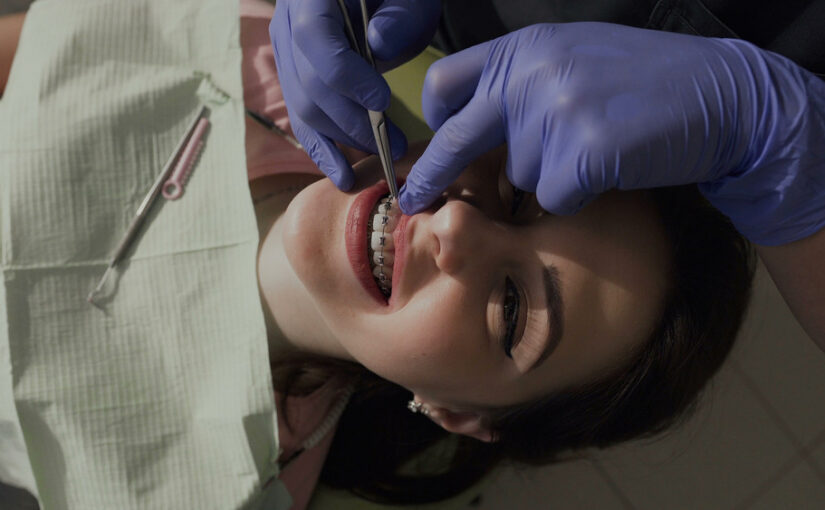
Orthodontics has come a long way from the days of bulky metal bands wrapped around each tooth. In today's world, patients can choose from a variety of options that cater to their lifestyle and aesthetic preferences. From traditional metal braces to the virtually invisible clear aligners, modern orthodontic treatments offer convenience, comfort, and effective results.
Correcting Misalignments with Metal Braces
Traditional metal braces are still a popular option for many patients who need comprehensive adjustments. These braces are highly effective for correcting complex dental issues such as severe misalignment or bite problems. With advancements in technology, metal braces have become more comfortable and less intrusive, thanks to smaller brackets and customizable options like colored bands. Despite their noticeable appearance, metal braces remain a tried and true method for achieving significant results from an orthodontic treatment.
Aligning Teeth with Clear Trays
Clear aligners, such as Invisalign, have revolutionized the field of orthodontics with their discreet and flexible approach. These clear plastic trays are custom-fitted to gradually shift teeth into alignment over time. A significant advantage of clear aligner systems is that they are removable, allowing patients to maintain their oral hygiene with ease. However, it's important to note that, according to ScienceDirect, Invisalign treatment required an average of 2.5 refinement scans, indicating that additional adjustments may be necessary to achieve the desired outcome.
Exploring Alternatives with Innovative Appliances
Beyond braces and clear aligners, orthodontics is expanding into other innovative options like lingual braces and self-ligating brackets. Lingual braces are attached to the back of the teeth, making them invisible from the front, which is ideal for those who want to avoid visible appliances. Meanwhile, self-ligating brackets offer a more comfortable experience by reducing friction, and allowing for quicker adjustments. These alternatives demonstrate how this specialized orthodontic treatment continues to adapt to meet the demands of both aesthetic and functional needs.