How Technology Is Improving Braces Treatment in 2026

Posted on Tags

In 2026, the field of orthodontics is experiencing remarkable advancements, thanks to the rapid progress in technology. Patients seeking braces today find themselves presented with sophisticated options that offer enhanced comfort, discretion, and efficiency compared to traditional methods. From digital planning tools to cutting-edge materials, these technological innovations are transforming the way orthodontists perform treatments and greatly enhancing patient experiences.

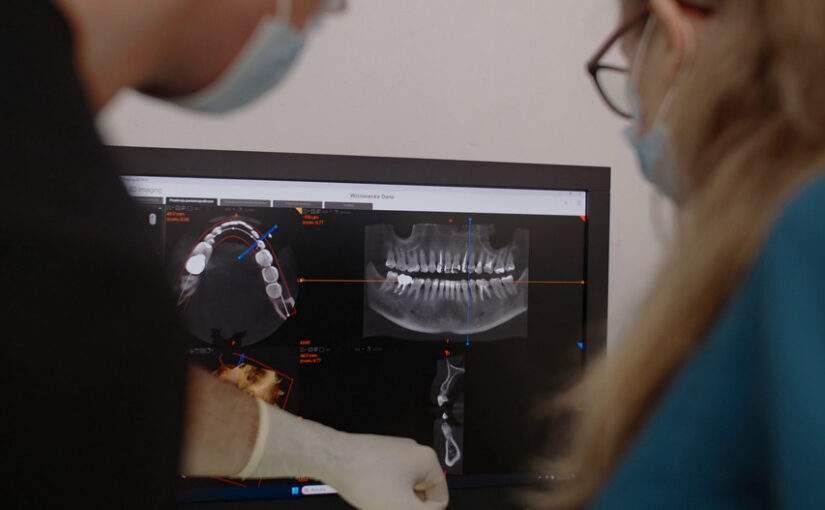
Integrating 3D Imaging Technologies

One of the most noteworthy advancements in braces treatment is the integration of 3D imaging and digital scanning technologies. Dentists and orthodontists can now create highly precise digital impressions of a patient’s teeth, eliminating the need for uncomfortable, gloopy molds. This technology not only improves the accuracy of aligner fit but also speeds up the planning process. Patients benefit from faster appointments and often experience a reduction in overall treatment times.

Advancing Clear Aligner Materials

Clear aligners have continued to evolve since their inception, offering an excellent alternative to traditional metal braces. According to Ormco, the idea behind clear aligners like Invisalign was conceived in 1997, and since then, they have become one of the most popular options for teeth straightening. Technological advancements in material science have made a modern braces treatment even more comfortable and effective. The materials are now engineered to exert precise forces on teeth, leading to efficient movement and successful treatment outcomes.

Utilizing Artificial Intelligence Algorithms

Furthermore, artificial intelligence is playing a pivotal role in improving orthodontic treatments. AI algorithms can now analyze vast amounts of orthodontic data to predict outcomes more accurately and customize treatment plans for each individual patient. By anticipating shifts in teeth positions and adjusting plans in real-time, orthodontists are better equipped to address potential issues before they arise. This proactive approach reduces the risk of prolonged treatments and leads to better satisfaction among patients.

Technological advancements taking place in 2026 are significantly improving the standard of care in orthodontics. By incorporating state-of-the-art imaging, advanced material technology, and AI, care options are becoming faster, more comfortable, and highly personalized. As technology continues to evolve, patients can look forward to even more innovations that will make achieving the perfect smile a seamless experience. To experience the benefits of these cutting-edge innovations firsthand, schedule your consultation today with Smile Brite Orthodontics.

Caring For Your Teeth During Braces Treatment

Posted on Tags

Understanding the Importance of Oral Care

Orthodontic treatment can be a transformative journey toward a more aligned and confident smile. However, braces treatment requires a strong commitment to proper oral hygiene to ensure both your teeth and orthodontic appliances remain in excellent condition. During braces treatment, it is essential to maintain consistent care to prevent issues like cavities, staining, or gum inflammation. Taking the time to build good habits early on can make a significant difference in your final results and overall dental health.

Brushing Effectively with Braces

Brushing becomes more important than ever during braces treatment because brackets and wires create additional spaces where food and plaque can accumulate. It is recommended to brush after every meal or at least twice a day using a soft-bristled toothbrush or an electric toothbrush designed for braces. Using fluoride toothpaste helps strengthen enamel and protect against decay. You may also benefit from incorporating interdental brushes or water flossers to clean hard-to-reach areas, ensuring your braces treatment stays on track without complications.

Flossing with Braces Made Easier

Flossing is still a critical step in maintaining oral health, even though it can feel more challenging during braces treatment. Tools such as orthodontic floss threaders or dental tape can make it easier to clean between teeth and around wires. According to a study published in ScienceDirect, one in six patients transitioned from Invisalign to braces, reinforcing the need to adapt oral hygiene routines for different types of orthodontic care. Flossing at least once a day helps remove debris, reduces plaque buildup, and keeps your gums healthy throughout your braces treatment journey.

The Role of Regular Dental Visits

Routine dental check-ups and professional cleanings play a key role in successful braces treatment. While your orthodontist focuses on adjusting your braces, your general dentist monitors your overall oral health. These visits help catch potential issues early and remove buildup that daily brushing might miss. Staying consistent with appointments also ensures that your braces treatment progresses smoothly and that your teeth remain healthy every step of the way.

Maintaining Results for a Healthy Smile

In conclusion, braces treatment requires dedication, consistency, and the right tools to maintain excellent oral hygiene. By brushing thoroughly, flossing daily, and attending regular dental appointments, you can protect your teeth throughout the process. Developing these habits not only supports successful braces treatment but also sets the foundation for long-term oral health. With proper care, you will be able to enjoy a straighter, healthier smile once your braces are removed.