What Is an Archwire? How This Important Part of Braces Moves Your Teeth
What Is an Archwire? How This Important Part of Braces Moves Your Teeth
Posted on October 23, 2026
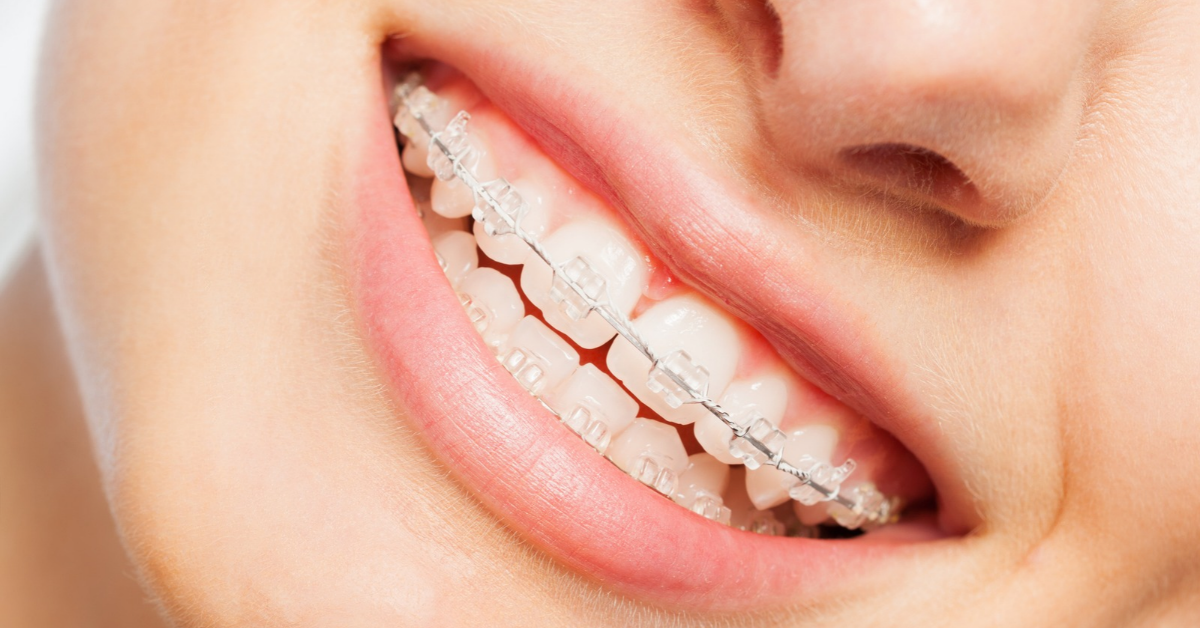
If you have braces or are considering orthodontic treatment, you have probably noticed the thin wire that runs across the front of your teeth and connects each bracket. That wire is called an archwire, and it is one of the most important parts of braces.
While brackets may be the most noticeable part of braces, the archwire does much of the work when it comes to guiding your teeth into better positions. Throughout treatment, your orthodontist may adjust or replace the wire as your teeth gradually move.
At Smile Brite Orthodontics in Sachse, TX, we offer both metal braces and clear braces to help kids, teens, and adults achieve healthier, more confident smiles. Understanding how an archwire works can make the orthodontic process a little easier to understand, especially when you know what to expect during adjustments.
What Is an Archwire?
An archwire is the thin orthodontic wire that runs through the brackets attached to your teeth. It generally follows the shape of your dental arch, which is where the name “archwire” comes from.
The brackets on your teeth act as small handles that allow the orthodontist to guide each tooth. The archwire connects those brackets and provides gentle, controlled forces that encourage the teeth to move.
As treatment progresses, the teeth gradually respond to these forces. The orthodontist can change the size, shape, or type of archwire being used depending on what needs to happen next.
In other words, your brackets provide the attachment points, but the braces archwire helps guide the movement of your teeth.
How Does an Archwire Move Your Teeth?
Teeth may feel firmly planted in the jaw, but the bone and tissues around them can gradually adapt to controlled orthodontic pressure.
When an archwire is placed into brackets, it naturally wants to return to its intended shape. If teeth are crowded, rotated, tilted, or otherwise out of alignment, the wire places gentle pressure on the brackets.
That pressure is transferred to the teeth. Over time, the tissues and bone surrounding the teeth respond, allowing them to gradually shift toward their planned positions. This movement happens slowly so that treatment can be carefully controlled.
Orthodontists don’t simply put a wire on the teeth and wait for them to become straight. Treatment is planned in stages, and different movements may be needed at different points.
For example, early treatment may focus on helping crowded or rotated teeth begin lining up. Later stages may involve refining individual tooth positions or coordinating the way the upper and lower teeth fit together.
The archwire can change along with those treatment goals.
Are There Different Types of Archwires?
Yes. There are several types of orthodontic archwires, and your orthodontist chooses a wire based on the movement your teeth need at that particular stage of treatment.
Some archwires are especially flexible. These are often useful early in treatment when teeth may be significantly out of alignment. A flexible wire can engage multiple brackets while providing relatively gentle force.
As teeth become straighter, an orthodontist may move to different wires that offer greater control. Wires may vary in their:
- Material
- Thickness
- Shape
- Flexibility
- Stiffness
You may also hear your orthodontist or assistant refer to round or rectangular wires. These shapes can serve different purposes during orthodontic treatment.
You do not need to keep track of which type of wire you have. Your orthodontic team will determine which archwire is appropriate based on your individual treatment plan and how your teeth are responding.
Why Does My Archwire Change During Braces Treatment?
If you have braces for several months, you may notice that your orthodontist changes the wire during certain appointments.
This is normal.
Your teeth do not need the exact same type of force throughout your entire treatment. As their positions change, the goals of treatment change too.
Early wires may be selected primarily to begin aligning the teeth. Once your smile becomes more organized, another archwire may allow your orthodontist to make more precise adjustments.
Think of orthodontic treatment as a series of steps rather than one continuous movement. The archwire used at the beginning of treatment may have a different job from the wire used closer to the end.
Changing an archwire does not necessarily mean something was wrong with the old one. It often means your teeth have progressed to the point where the next stage of treatment can begin.
Does Changing an Archwire Hurt?
You may experience some temporary tenderness after an archwire is changed or adjusted.
When a new orthodontic wire begins applying pressure to the teeth, they may feel sensitive when you bite or chew. This discomfort is generally temporary as your mouth adjusts.
Some patients barely notice an adjustment, while others may experience soreness for a few days.
Eating softer foods can make the adjustment period more comfortable. Foods such as yogurt, scrambled eggs, pasta, soup, smoothies, oatmeal, and soft vegetables can be easier to eat when your teeth feel tender.
It is also possible for a new wire to temporarily irritate the inside of your cheeks or lips. Orthodontic wax can often help cover an irritating area while your mouth adjusts.
If something feels unusually painful or you are concerned about your archwire, contact your orthodontic team rather than trying to make significant changes to the wire yourself.
What Happens if an Archwire Breaks or Comes Loose?
Although orthodontic wires are designed to withstand normal daily activities, an archwire can occasionally bend, break, or come out of a bracket.
Hard, crunchy, or sticky foods can increase the risk of damaging braces. Biting directly into very hard foods can also place unnecessary force on brackets and wires.
If your archwire becomes loose, you might notice that it:
- Slides to one side
- Comes out of the last bracket
- Sticks into your cheek
- Bends away from your teeth
- Breaks in one area
A loose or poking wire can be uncomfortable, but it does not automatically mean there is a serious orthodontic problem.
Contact Smile Brite Orthodontics if you notice a damaged wire so our team can determine whether an appointment is necessary.
Until you receive instructions, orthodontic wax may help cover a sharp area and protect your cheek or gums from irritation.
How Can You Protect Your Archwire?
Taking care of your braces helps your treatment stay on track.
One of the easiest ways to protect your archwire is to follow the food recommendations provided by your orthodontist. Avoid biting directly into extremely hard foods and be careful with foods that are sticky or chewy.
Foods such as popcorn kernels, hard candy, ice, and similar items can place unnecessary pressure on orthodontic appliances.
You should also maintain good oral hygiene around the brackets and wire.
Food particles and plaque can collect around braces more easily than they do on smooth tooth surfaces. Brush carefully around each bracket, along the gumline, and above and below the archwire.
Floss threaders, interdental brushes, or other orthodontic cleaning tools may also help you clean areas that are difficult to reach with a standard toothbrush.
Protecting the archwire is only one part of caring for braces. Keeping your teeth and gums clean throughout treatment is essential for maintaining a healthy smile.
Do Clear Braces Have an Archwire?
Yes. Clear braces use an archwire just like traditional metal braces.
The primary difference is the appearance of the brackets.
Traditional metal braces use metal brackets and remain one of the most reliable ways to correct many types of orthodontic concerns. Today’s metal braces are smaller and more comfortable than older designs, making them a popular option for children, teenagers, and adults.
Clear braces work according to many of the same principles, but they use tooth-colored or ceramic brackets that blend more naturally with the smile.
Both systems use brackets and an orthodontic archwire to guide the teeth.
This makes clear braces an option for patients who want the control of traditional braces with a less noticeable appearance.
How Often Is an Archwire Adjusted?
There is no single adjustment schedule that applies to everyone.
Your orthodontist will determine how frequently you need appointments based on your treatment plan, the type of braces you have, your current stage of treatment, and how your teeth are responding.
At some appointments, the archwire may be replaced. At others, your orthodontist may make different adjustments without completely changing the wire.
Regular appointments give your orthodontic team an opportunity to check your progress and make sure your treatment continues moving in the right direction.
This is one reason keeping scheduled orthodontic appointments is important. Missing multiple appointments can delay necessary adjustments and potentially extend treatment.
Frequently Asked Questions About Archwires
Can an archwire straighten teeth by itself?
The archwire is a major part of how braces move teeth, but it works together with brackets and the rest of your orthodontic system. Brackets help transfer the forces from the wire to individual teeth so movement can be carefully controlled.
Why is my archwire thicker than it was before?
Orthodontists may use different wire sizes and shapes during different phases of treatment. A change in thickness can be part of progressing from initial alignment to more detailed tooth movement and bite correction.
Why is my archwire poking my cheek?
As teeth move, the position of the wire can change. Occasionally, the end of an archwire may begin irritating the cheek. Orthodontic wax can provide temporary protection, but contact your orthodontist if the wire continues to bother you.
Can I fix a loose archwire myself?
It is best to contact your orthodontic office for guidance before making significant adjustments. Your orthodontic team can tell you whether the problem can wait until your next visit or requires an earlier appointment.
Do metal braces and clear braces use the same type of archwire?
Both metal braces and clear braces rely on archwires to help guide tooth movement. The specific type of wire used can vary depending on the patient’s treatment needs and stage of treatment.
Learn More About Braces in Sachse, TX
The archwire may look like a simple piece of orthodontic wire, but it plays an important role in helping your braces gradually move your teeth.
Throughout treatment, your archwire works together with your brackets to apply carefully controlled forces. As your smile changes, your orthodontist can adjust or replace the wire to continue guiding your teeth toward their planned positions.
At Smile Brite Orthodontics, we offer modern metal braces and clear braces for patients looking for an effective way to improve the alignment, function, and appearance of their smiles.
If you are considering braces for yourself or your child, schedule a Free Smile Consult with Smile Brite Orthodontics to learn more about your treatment options.
Smile Brite Orthodontics
7200 SH-78, Suite 100
Sachse, TX 75048
Take the first step toward a healthier, more confident smile and find out which orthodontic treatment option may be right for you.