Orthodontic Wax – How to Use It and Keep Your Braces Comfortable
Orthodontic Wax – How to Use It and Keep Your Braces Comfortable
Posted on October 23, 2026
Getting braces is an exciting step toward a healthier, straighter smile, but it can take a little time for your mouth to adjust. During the first few days of treatment, you might notice that your brackets rub against your cheeks or lips. Even after you’ve had braces for a while, an occasional wire or bracket may cause irritation.
That’s where orthodontic wax comes in.
Orthodontic wax is a simple, convenient way to help protect the soft tissues inside your mouth from irritation caused by braces. Whether you’re new to orthodontic treatment or experiencing discomfort after an adjustment, knowing how to use wax for braces can make your experience more comfortable.
At Smile Brite Orthodontics in Sachse, TX, Dr. Kapadia and our team want patients to feel confident caring for their braces between appointments. In this guide, we’ll explain what orthodontic wax is, how to apply it correctly, and when you should contact your orthodontist.
What Is Orthodontic Wax?
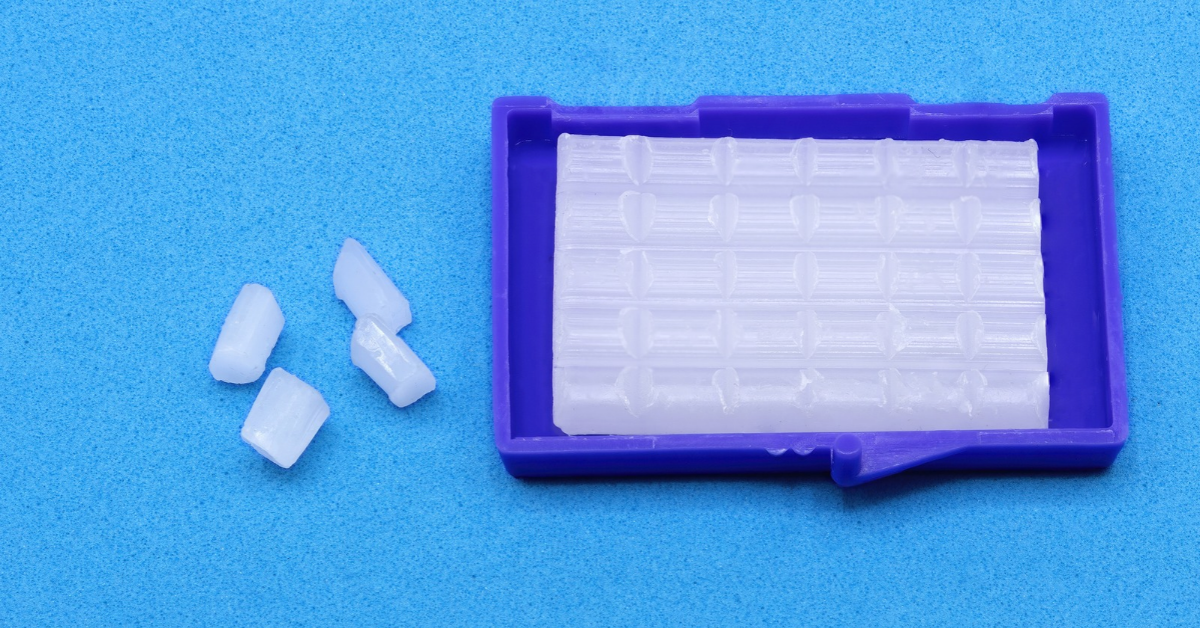
Orthodontic wax, sometimes called dental wax or braces wax, is a soft, moldable material that creates a protective barrier between your braces and the inside of your mouth.
It’s typically made from materials such as paraffin, beeswax, or other wax-based ingredients designed for oral use.
When applied to a bracket or wire, the wax covers the rough or irritating surface, helping prevent it from rubbing directly against your cheeks, lips, or gums.
Orthodontic wax is especially helpful when you first get braces because your mouth hasn’t yet adjusted to having brackets and wires.
The wax doesn’t change how your braces move your teeth. Instead, it provides temporary protection from friction and irritation while allowing your orthodontic treatment to continue.
When Should You Use Orthodontic Wax?
One of the benefits of orthodontic wax is that you can use it whenever a bracket or wire begins irritating the inside of your mouth.
Some of the most common situations include:
1. When You First Get Braces
During the first week of wearing braces, your cheeks and lips may feel sensitive as they adjust to the brackets.
Even though modern metal braces are smaller and designed for greater comfort, their surfaces can still cause temporary irritation.
Applying orthodontic wax over the areas that rub can help protect your mouth while it gets used to your new braces.
2. After a Braces Adjustment
Your orthodontist may adjust your wires or other components throughout treatment to continue guiding your teeth into their planned positions.
Sometimes these changes cause a bracket or wire to rub against a different area of your mouth.
If you notice irritation after an adjustment, a small amount of orthodontic wax may help.
3. When a Braces Wire Is Poking Your Cheek
Occasionally, an orthodontic wire may shift or begin sticking out as your teeth move.
A wire that pokes your cheek can be uncomfortable, especially when you’re talking or chewing.
Orthodontic wax can temporarily cover the sharp end of the wire and reduce irritation until your orthodontist can evaluate the problem.
However, wax is not a permanent solution for a loose or poking wire. Contact your orthodontic office for guidance if a wire is causing discomfort.
4. When a Bracket Causes a Sore Spot
Repeated rubbing against a bracket can create an irritated area or small sore inside your mouth.
Covering the bracket with orthodontic wax can reduce friction and give the irritated tissue an opportunity to recover.
If a sore becomes increasingly painful, doesn’t improve, or continues returning, contact your orthodontist.
How to Use Orthodontic Wax on Braces
Learning how to apply orthodontic wax is easy, and the entire process only takes a few minutes.
Follow these steps whenever you need to protect an uncomfortable area.
Step 1: Wash Your Hands
Before touching your braces or placing anything inside your mouth, wash your hands thoroughly with soap and water.
This helps prevent transferring unwanted bacteria to an already irritated area.
Step 2: Find the Area Causing Irritation
Use a mirror to locate the bracket or wire that is rubbing against your cheek, lip, or gums.
You may notice a small red spot or feel a rough surface when moving your lips or cheeks.
Identifying the correct area helps you place the wax where it will provide the most protection.
Step 3: Clean and Dry Your Braces
Brush away any food particles around the affected bracket or wire.
Then gently dry the area using clean tissue, gauze, or a cotton swab.
This step is important because orthodontic wax generally sticks better to a dry surface.
Step 4: Prepare a Small Piece of Wax
Pinch off a small piece of orthodontic wax, approximately the size of a small pea.
Roll it between your clean fingers until it becomes soft and easy to shape.
You don’t need a large amount. Just enough to completely cover the part of your braces causing irritation.
Step 5: Apply the Wax
Place the softened wax directly over the irritating bracket or wire.
Gently press it into place and smooth the edges so it creates a comfortable barrier between your braces and the surrounding tissues.
The wax should feel secure without requiring excessive pressure.
Step 6: Replace the Wax as Needed
Orthodontic wax may gradually loosen as you talk, eat, or drink.
Remove and replace it when it becomes dirty, falls off, or stops providing adequate protection.
Always use a fresh piece rather than reapplying wax you’ve already removed.
Can You Eat With Orthodontic Wax?
Although orthodontic wax is designed for use inside your mouth, it’s generally best to remove it before eating.
Chewing can cause the wax to loosen, collect food particles, or fall off your braces.
Removing it before meals also makes it easier to clean around your brackets and wires.
After eating, brush your teeth if possible, clean the irritated area, and apply a fresh piece of wax if you still need protection.
If you’re at school, work, or away from home, keeping a small container of orthodontic wax in your bag can be helpful.
Can You Sleep With Orthodontic Wax?
Yes, orthodontic wax can generally be worn while sleeping.
In fact, applying wax before bed may be especially helpful if a bracket or wire has been irritating your cheek or lip throughout the day.
The protective barrier can reduce rubbing while you’re asleep.
Before going to bed, brush your teeth and replace any old or dirty wax with a fresh piece.
Make sure the wax is securely pressed over the affected area.
If you’re experiencing significant discomfort or have a wire that repeatedly comes loose, contact your orthodontist rather than relying on wax alone.
What Happens if You Accidentally Swallow Orthodontic Wax?
Accidentally swallowing a small amount of standard orthodontic wax is generally not a cause for concern.
Most orthodontic wax products are made from materials intended for safe use inside the mouth, and small accidental amounts generally pass through the digestive system.
However, orthodontic wax isn’t meant to be eaten intentionally.
Always use products specifically designed for orthodontic or dental use, and follow the manufacturer’s instructions.
If you’ve swallowed a large amount, experience unusual symptoms, or are unsure about a product’s ingredients, contact a medical professional for guidance.
What if Orthodontic Wax Doesn’t Help?
Orthodontic wax can be effective for temporary irritation, but it cannot fix every problem with braces.
For example, a broken bracket, severely bent wire, or loose orthodontic appliance may require professional attention.
If wax isn’t providing enough relief, a few additional steps may help.
Rinse with warm salt water. A gentle saltwater rinse can soothe irritated tissues. Mix approximately half a teaspoon of salt into eight ounces of warm water and rinse gently.
Choose softer foods. If your mouth is sore after an adjustment, foods such as yogurt, scrambled eggs, smoothies, pasta, or mashed potatoes may be more comfortable to eat.
Maintain good oral hygiene. Keeping your braces and surrounding gums clean can help prevent additional irritation.
Contact your orthodontist. If you notice a broken bracket, persistent poking wire, worsening sore, or discomfort that doesn’t improve, let your orthodontic team know.
Remember that orthodontic wax is intended to provide temporary comfort, not replace an adjustment or repair.
How Long Will You Need Orthodontic Wax?
Every patient’s experience with braces is different.
Some people use orthodontic wax frequently during the first few weeks and rarely need it afterward. Others may occasionally use it following adjustments or when a particular bracket causes irritation.
As the inside of your mouth becomes accustomed to your braces, you’ll often notice less rubbing and discomfort.
You don’t need to use orthodontic wax every day if your braces aren’t bothering you.
However, it’s a good idea to keep some available throughout treatment, especially when traveling or spending long periods away from home.
Frequently Asked Questions About Orthodontic Wax
1. How long can you leave orthodontic wax on your braces?
Orthodontic wax can stay in place for several hours or overnight if needed. Replace it whenever it becomes dirty, loose, or uncomfortable. It’s generally best to remove it before meals and when brushing your teeth.
2. Is orthodontic wax safe for kids?
Yes. Standard orthodontic wax is generally safe for children and teens who wear braces when used as directed. Younger patients may need help applying the wax correctly. Parents should follow the orthodontist’s recommendations and supervise children when appropriate.
3. Can you use orthodontic wax with clear braces?
Yes. Orthodontic wax works with both traditional metal braces and clear ceramic braces. Although the brackets look different, either type can occasionally cause irritation that wax may help relieve.
4. Why won’t my orthodontic wax stick to my braces?
Moisture is one of the most common reasons wax won’t stay in place. Try drying the bracket or wire before applying the wax. Softening the wax between your fingers and pressing it firmly over the affected area can also help.
5. Where can you buy orthodontic wax?
Orthodontic wax is commonly available at pharmacies, drugstores, and retailers that sell dental care products. Your orthodontic office may also provide wax or recommend a suitable product. Keeping an extra container at home can help ensure you’re prepared when irritation occurs.
Comfortable Braces Treatment Starts With the Right Care
Orthodontic wax may be a small part of your braces care routine, but it can make a noticeable difference when you’re dealing with an irritating bracket or wire.
Knowing how to apply wax, when to replace it, and when to contact your orthodontist can help you manage minor discomfort with greater confidence.
At Smile Brite Orthodontics in Sachse, TX, Dr. Kapadia and our team provide personalized orthodontic care for children, teens, and adults.
We offer modern metal braces and clear braces, along with guidance to help patients feel informed and comfortable throughout treatment.
Whether you’re preparing to get braces or already working toward a straighter smile, we’re here to answer your questions and help you care for your orthodontic appliances.
Ready to get started? Schedule your Free Smile Consult at Smile Brite Orthodontics!
Smile Brite Orthodontics
7200 SH-78, Suite 100
Sachse, TX 75048
Call or text: (214) 307-6020. Let our team help you take the next step toward a healthier, more confident smile.